Authorship
The city may be full of gazes, but she sits in it like the audience has already been edited out. At a small table, her tea sends up a thin curl of steam that disappears immediately into the air. She lights a cigarette with ease. There is no hurry, no sign she is waiting. She is just there.
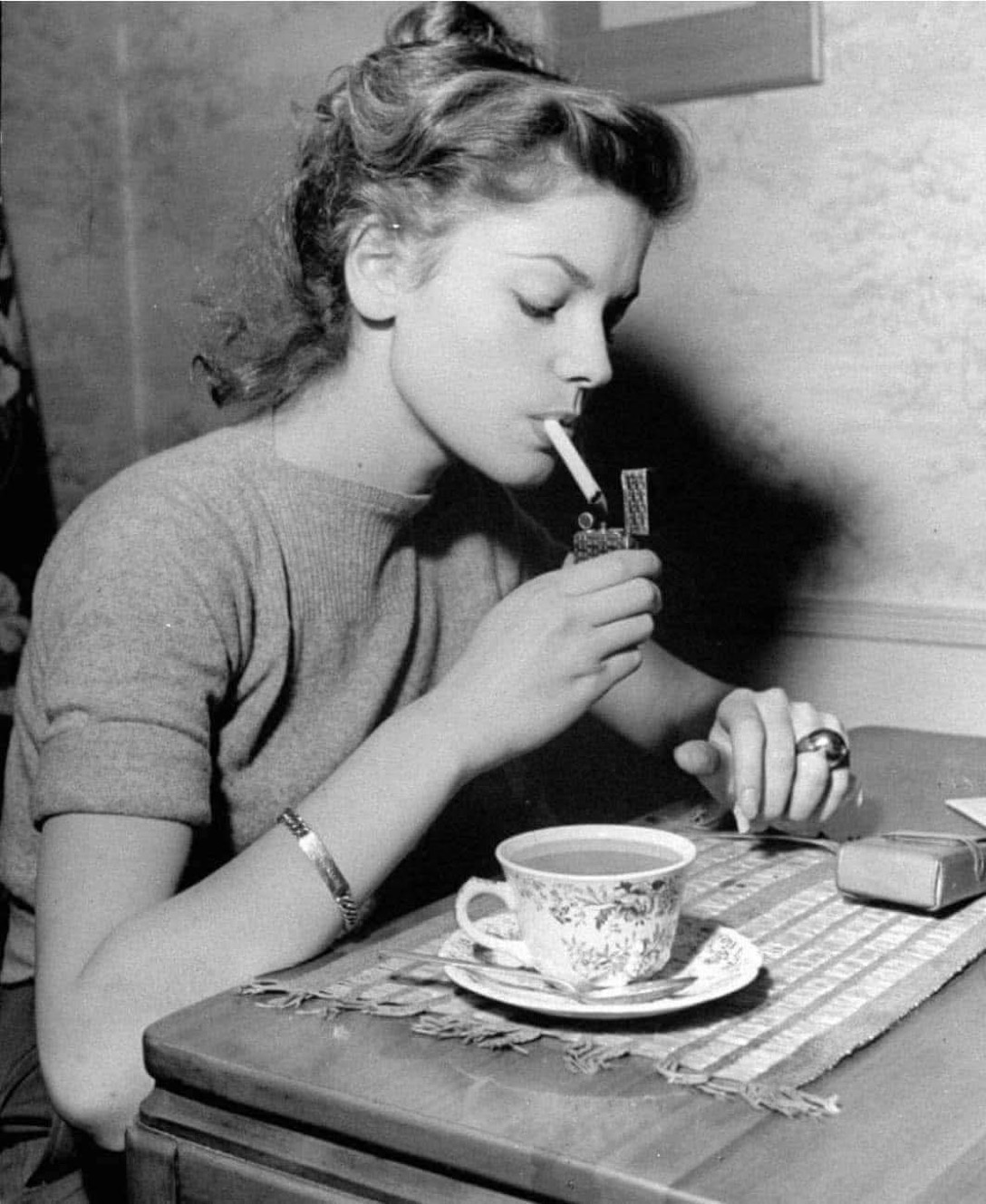
For a long time, a woman alone in public was treated as something to interpret: lonely, vulnerable, available, suspect. But here, solitude is not framed as lack. She is occupying her own small space with quiet certainty.
This is where authorship begins — in the refusal to keep performing a self that is always available for inspection. Erving Goffman wrote about how much of social life is staged: how we manage impressions by adjusting posture, expression, timing. But she has moved past that nervous choreography. She is not trying to look solitary. She is living it. That difference is everything.
The city around her may be more permissive than it once was. A woman alone at a café is no longer automatically read as an anomaly. But social permission is only the outer layer. The deeper work happens inside — in the quiet decision to stop imagining the invisible judge sitting across from every private moment. Simone de Beauvoir understood that freedom is not something the world grants, that a person has to build it from within, often against habit, fear, and old scripts about what it means to be watched.
Her tea cools, her cigarette burns down, and the city goes on humming around her. The story is already hers.


Comments
Post a Comment