Just where you are
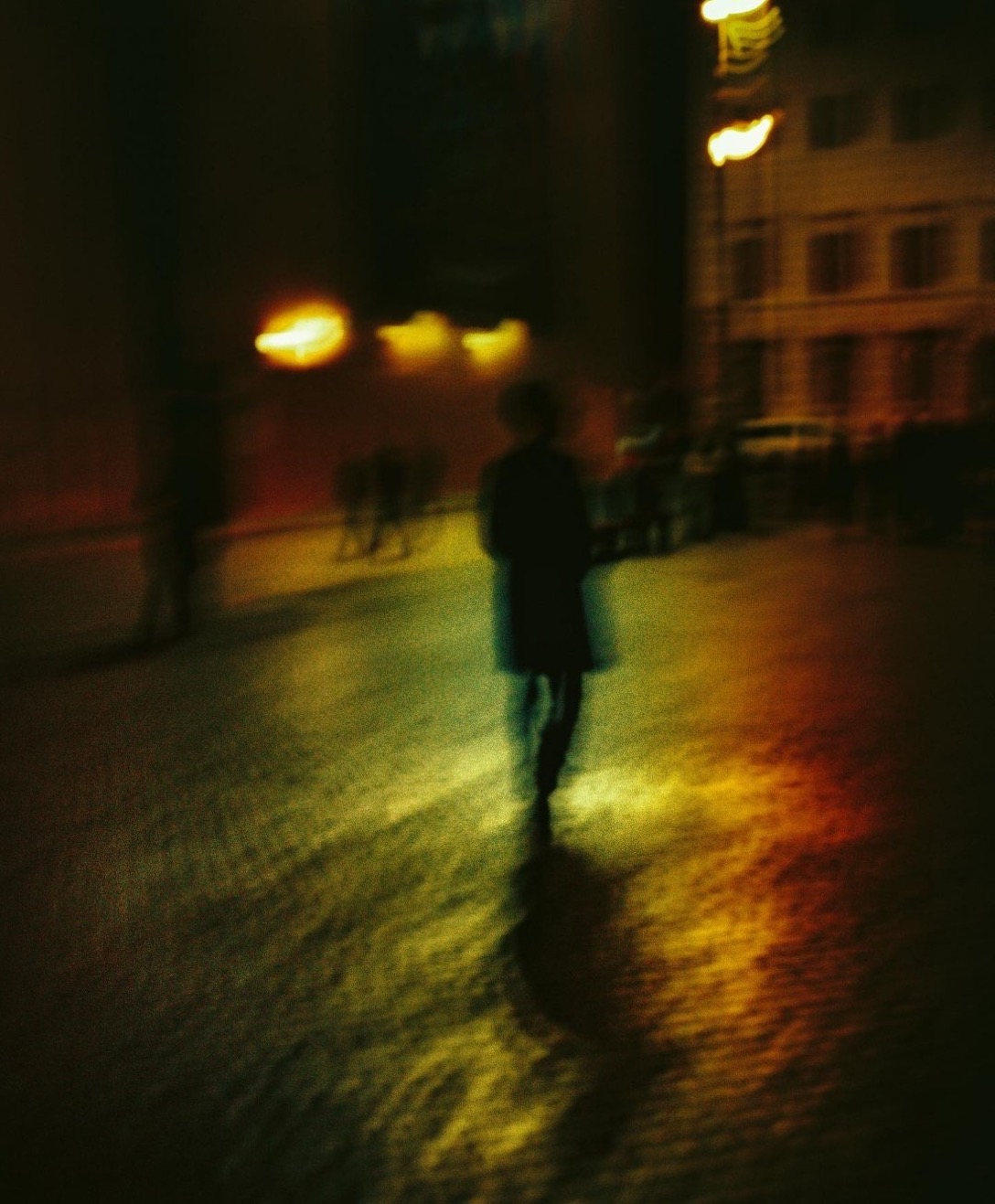
Man moves through city like a brief pause in a fast-moving film. Behind him, the orange glow of the streetlights hums quietly, almost like a pulse, while everything else around him feels rushed and sharp. Cars cut through the dark, their headlights opening and closing little strips of the future as they pass. For them, the road is something to conquer. For him, it is something to live inside.
That difference says a lot about the world we live in now. Everything seems to be speeding up, and the pressure is always the same: keep up, keep moving, don’t fall behind. Hartmut Rosa calls this social acceleration, and it feels exactly right. The trouble is not just that life is fast. It is that speed has become a kind of moral demand. To be slow starts to feel like failure. To be delayed starts to feel like being left out of existence itself.
But this man resists that logic by continuing at his own pace. He resists the city’s demand over his body. In that sense, it comes close to Lao Tzu’s idea of wu wei — not doing nothing, but acting without strain, without forcing oneself against the grain of things.
The streetlights stretch his shadow long, then short, then long again, his body keeps moving through that change without asking permission. The cars hurry towards wherever they are going, but he remains with the road beneath his feet, present to the moment instead of racing past it.
The man’s slow walk becomes its own kind of resistance. It says that the soul cannot be rushed, and that there is a strange, unsettling beauty in just being where you are.


Comments
Post a Comment